Category: Nutrition

fuel for training

  • Waterbury Diet Testing – Fasting Phase

    I recently attended a personal trainer workshop with Chad Waterbury, trainer of UFC fighters and long-time contributor to T-Nation, a website devoted to many types of weight training and diet. On Saturday we were given the opportunity to learn about the “Waterbury Diet“, which is a variation of “The Warrior Diet”. This diet is based on intermittent fasting or periods of low and high calorie consumption to stimulate the sympathetic and parasympathetic nervous system. These are known generically as (respectively) “Flight or Fight” and “Rest and Digest” systems. The theory is that if you tweak them just the right way, you’ll take advantage of the fat loss properties of the sympathetic, and the muscle building properties of the parasympathetic.

    See update at bottom – 10 Apr 2014

    my intermittent fasting diet phase one
    Intermittent Fasting – phase one – low calorie

    The bottom line is to essentially fast, or consume few calories, for a period of between 12 and 20 hours (give or take a little), followed by a period of relatively “normal” eating for the remainder of the day. Since most people sleep between 6 to 10 hours every day, that’s considered your free fast – easy to not eat while sleeping. The page on Chad’s blog I linked to above is primarily directed for fat loss, but at the workshop Chad also presented a variation based on having a goal priority of gaining muscle. He briefly touched on variations used by his “elite endurance athletes” or fighters. I asked him to discuss that further, and based on the answers to my questions, I modified it slightly to better suit my needs.

    Since I do normally train for 3 or more hours in 2 or 3 split segments, I have to consider myself an elite endurance athlete. As well, while listening to Chad lecture, I realized that I had evolved into my own version of the plan, though a bit heavier on protein (I’ll have another article on that based on Chad’s muscle growth plan) and with more eating periods over the day (this was two years ago during my Elbrus Race training during which I lost 25 lb of fat and first hit < 14% bodyfat while gaining 5 lb of muscle).

    I figured it wouldn’t be too bad to make the minor adjustments and test this theory, and for the past three days I’ve given it my best shot at disproving it. The photo above represents the fasting period, which ends at my PM workout, chronologically from left to right.

    shaker bottles key to weight loss success
    Get a dozen or so of these to ensure success

    After my sleep (normally waking at 4:00 AM) I first take 15 ml of l-carnitine with CLA, ALA and CoQ10. I get my shoes on and check my email for emergencies, then consume a half-bottle of Labrada Supercharge and begin my training. In the morning I typically do only cardio or light bodyweight exercises. I sip the rest of the Supercharge, and at my break between machines I mix up BSN Cellmass and finish that over the rest of my training. This training period is normally about 90 – 120 minutes long, but could be as short as 72 on easy days or 180 on very hard days.

    As soon as possible after my training (generally about 7:30 AM) I blend up 1 overflowing scoop BSN Syntha-6 protein (overflowing so I get closer to 30gm protein – my favorite in this blend is strawberry or vanilla) with 5 mg creatine, 5 mg l-glutamine, 5 mg BCAA powder, and 1/2 tsp cinnamon (shown in the glass measuring cup).

    A couple hours (about 10:00 AM) later I have a scoop of Amazing Grass GreenSuperfood Lemon Lime Energy in a shaker bottle. In preparation for my noonish skating session, I have 8 Labrada EFA Lean (fish oil) and another ALA. For skating I combine a half scoop each of Supercharge and Cellmass combined in a shaker bottle. Immediately after I finish skating I have another large scoop of Syntha-6 (prefer chocolate or chocolate mint for “lunch”). About 2:00 I have a scoop of Amazing Grass GreenSuperfood Berry in a shaker bottle. Then at home after work (about 4:30 PM) I have a handful of craisins for the insulin spike, since the evening workout is more intense for being shorter.

    shaker bottles of protein and electrolyte mix in skating bag
    Skate bag ready with during & after shaker bottles prepped

    That about covers my 20-ish hours of the fasting period. I have also had a couple shaker bottles of various herbal teas brewed, then poured into a shaker bottle with added water to fill. I’ll post an article about part 2 – the feeding phase in a day or two. I might put up a shopping list for those a little more OCD about it. I myself just squeezed Chad’s plan into my template and already had everything I needed.

    It’s been too short a period (only 3 days) for me to offer any solid advice, or make any statements regarding the effectiveness or perhaps most importantly the sustainability of this program. I’ll try it out for a while. I suspect that with my intensity and duration of workouts I will have to add in a bit more protein over the day, but I’m watching the scales and my fat level and will make that adjustment if it becomes obvious to me that I need to.

    More later …

    Update 10 Apr 2014

    After a few weeks I noticed that I was too week to train with such a strict regimen, and Chad himself had mentioned that his MMA clients regularly trained for several hours a day and with splits that did not work for them inside a strict Intermittent Fasting Program. He presented some ideas for modifications that he recommended to his clients. HERE is an article at EliteFTS about a few modifications to the plan they advocate, just for balance. From my own perspective, here's how I have ended up usually eating, in a nutshell:
    • 90 minutes previous to training 200 calorie low carb protein shake
    • 30 minutes after training 200 calorie low carb protein shake
    • If I'm doing a split then that's it until 30 minutes after my PM workout
    • Mid afternoon (or 30 minutes after PM workout) 200 calorie low carb protein shake
    • Late afternoon 3 eggs
    • Early Evening toast, almond butter, salmon, beans, rice, salsa, pasta, cheese, yogurt
    • Before bed 200 calorie low carb protein shake
    That has been my staple now for a few years. It works. I love it. I'm training in calorie depleted state, and since I'm primarily and endurance athlete that simulates the effects of doing a marathon on just a handful of gu packets. If you want more tips like this check out my Lose Weight Gain Muscle Free Weekly Newsletter [HERE] and get on board to start making real progress.

  • Healthy Loaded Tomato Soup

    Both Timothy Ferris and Chad Waterbury have recommended black beans for the fiber and protein content. Cruciferous veggies are also highly recommended. A few weeks ago I started experimenting with combining all this into a tomato soup for convenience. The result is below:


    For one serving (my serving anyway):
    steam ahead for about 5 minutes:
    · handful chopped whole broccoli
    · handful chopped whole cauliflower
    (I think the stems are rich in nutrients and flavor)

    combine in a microwave dish with
    · 1/2 can Tomato Bisque soup
    · 1/2 can black beans

    sprinkle on top a little
    · taco seasoning

    microwave for 1 to 1-1/2 minute, stirring about halfway

    enjoy

  • Breakfast Shakes

    I developed my Breakfast Shake recipe while Training for the Elbrus Race (a mountain running race in Russia) 2010. I typically train for a couple hours in the morning on an empty stomach (my morning workout supplement drinks have little to no calories). I feel that breakfast shakes are the perfect way to replenish the nutrients burned during my exercise, and prepares me for the day.

    Shake Ingredients
    Breakfast Shake Ingredients

    Recipe for my breakfast shakes

    1 Packet FullStrength or 2 scoops of protein powder
    5 gm creatine
    5 gm glutamine
    5 gm BCAA powder
    1 scoop Amazing Grass Energy Green Superfood Lemon Lime
    1 tsp cinnamon
    2 1/2 cups water

    I blend it all up for a few seconds (pour while blender is on for less lumpy results). Awesome start to the day. I believe that if you make the change to breakfast shakes as your post-workout meal you’ll probably feel a boost in energy and motivation, and highly recommend you do not add a bunch of high-fructose fruit and other sweeteners, which could leave you feeling bloated and lethargic over the course of the day.

    blended shake
    Breakfast Shake ready to drink

    Breakfast shakes with more carbs

    Some people would need additional carbs in their breakfast shakes, either because they’re training very hard (more than 2 hours per day) or doing massive weight training (splits or some type of strongman or powerlifting regimen). Sometimes you’re just starting out and need a transition from your standard American breakfast. I think for those people, you could add a banana, or handful of raspberries to your breakfast shakes and be fine. There is a lot of talk lately about cherries, but I haven’t had a chance to explore that.

    breakfast shakes with FullStrength and raspberries
    Add some raspberries to your breakfast shakes for a little sweetness

    The type of protein you use in your breakfast shakes can make a big difference too. I rotate around a bit depending on my phase of training. If I’m going low carb I prefer the BSN Syntha6. If I’m training fairly hard and need a little more balanced nutrition I go with FullStrength. If I’m training very very hard, especially if I’m doing two or more hours of cardio in a day, I like to include a Mass Gainer protein mix, with a lot of additional ingredients like fiber and slow release complex carbs.

    breakfast shakes with raspberries in the mixer
    Blend your breakfast shakes to a smooth consistency, even with the addition of fruit or fiber blends
  • Healthier Chocolate Yogurt

    Now with Raspberry Protein Yogurt Recipe Below

    Sadly, the yogurt you buy in the store is mostly some form of sugar, sometimes a lot of fat, and pretty processed. If you look at the nutrition information, it’s really just a snack, probably a bit healthier than a candy bar, but if you want the most bang for your caloric “buck” so to speak, you can do better.

    chocolate protein yogurt
    Chocolate protein and plain nonfat yogurt

    My favorite recipe for a high protein low fat low sugar “snack” with probiotics is:

    6-8 oz fat-free plain yogurt
    1 scoop/serving dry protein shake mix powder

    stir well and chow down

    I prefer BSN Syntha-6 Protein Powder because it mixes quite well at a variety of temperatures, and pretty much always tastes good, imho.
    I usually use vanilla, chocolate, chocolate-mint, or strawberry. Add cinnamon to the vanilla for a treat that’s reputed to help moderate blood sugar and digestion. Very rarely I’ll add some banana slices. I’ve never tried it frozen, but it sounds interesting.

    Do your tummy a favor and enjoy a treat that’s good for you.

    Red Smoothie Detox Facts

    Protein Yogurt with Raspberries = 225 calories

    • 100 Calories of non-fat plain yogurt
    • 100 Calories of protein powder (BSN)
    • 25 calories fresh raspberries

    Different fruit has different caloric densities. 25 calories of raspberries is quite a handful and any more would overwhelm the bowl I mixed it in. If you use other fruits it might change the calories.

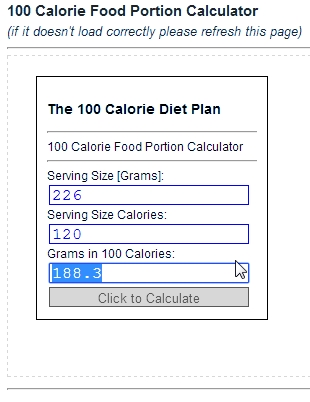
    I used the 100 calorie calculator [HERE] to determine how to weigh out my portions. During my transformation from just under 240 pounds to 180 pounds I spent quite a bit of time weighing my food portions and keeping a food journal. I wrote about it [HERE] if you want to know more.

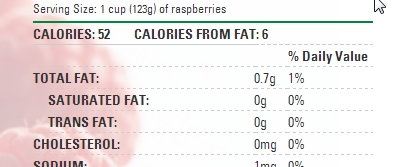
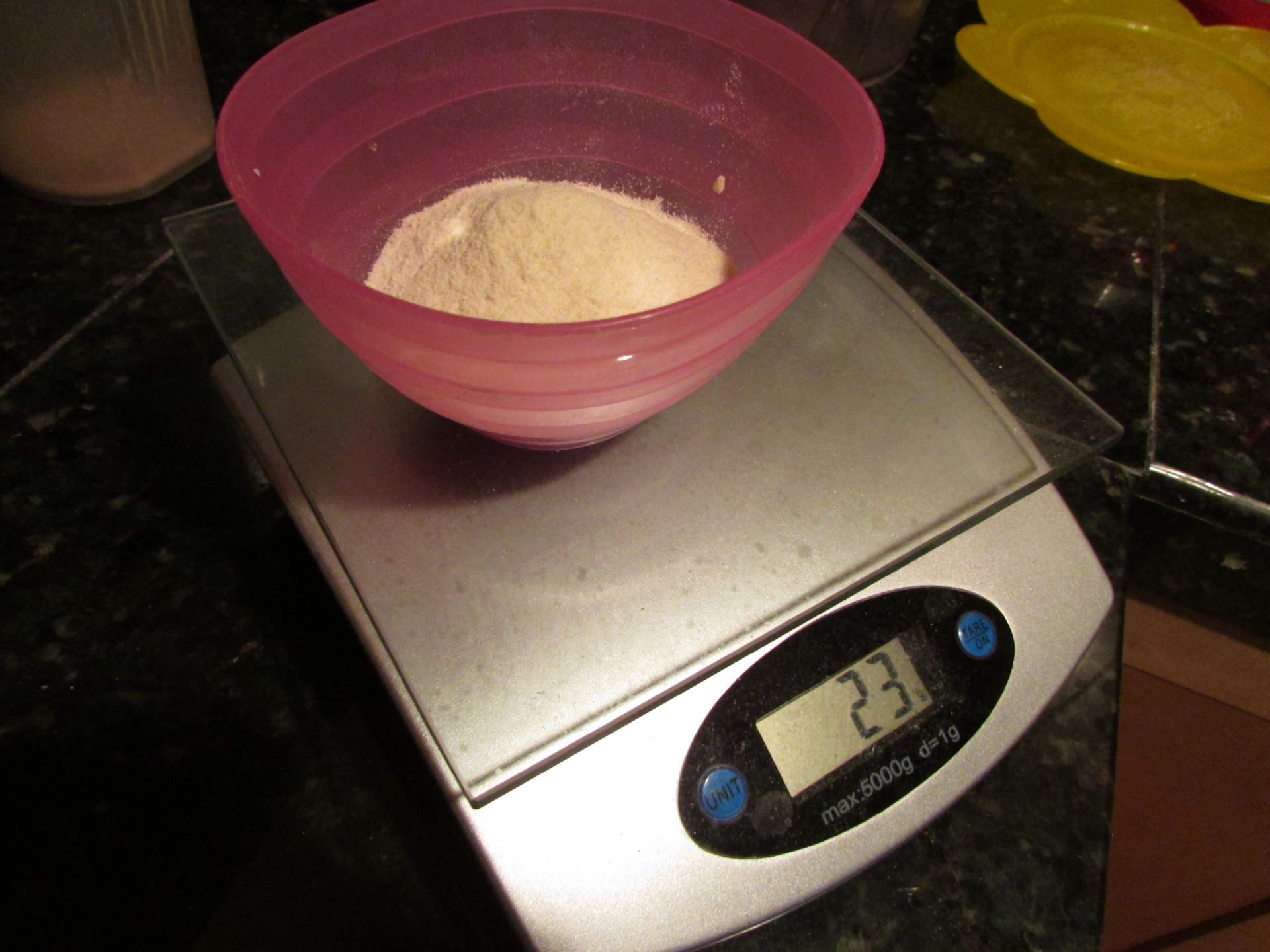
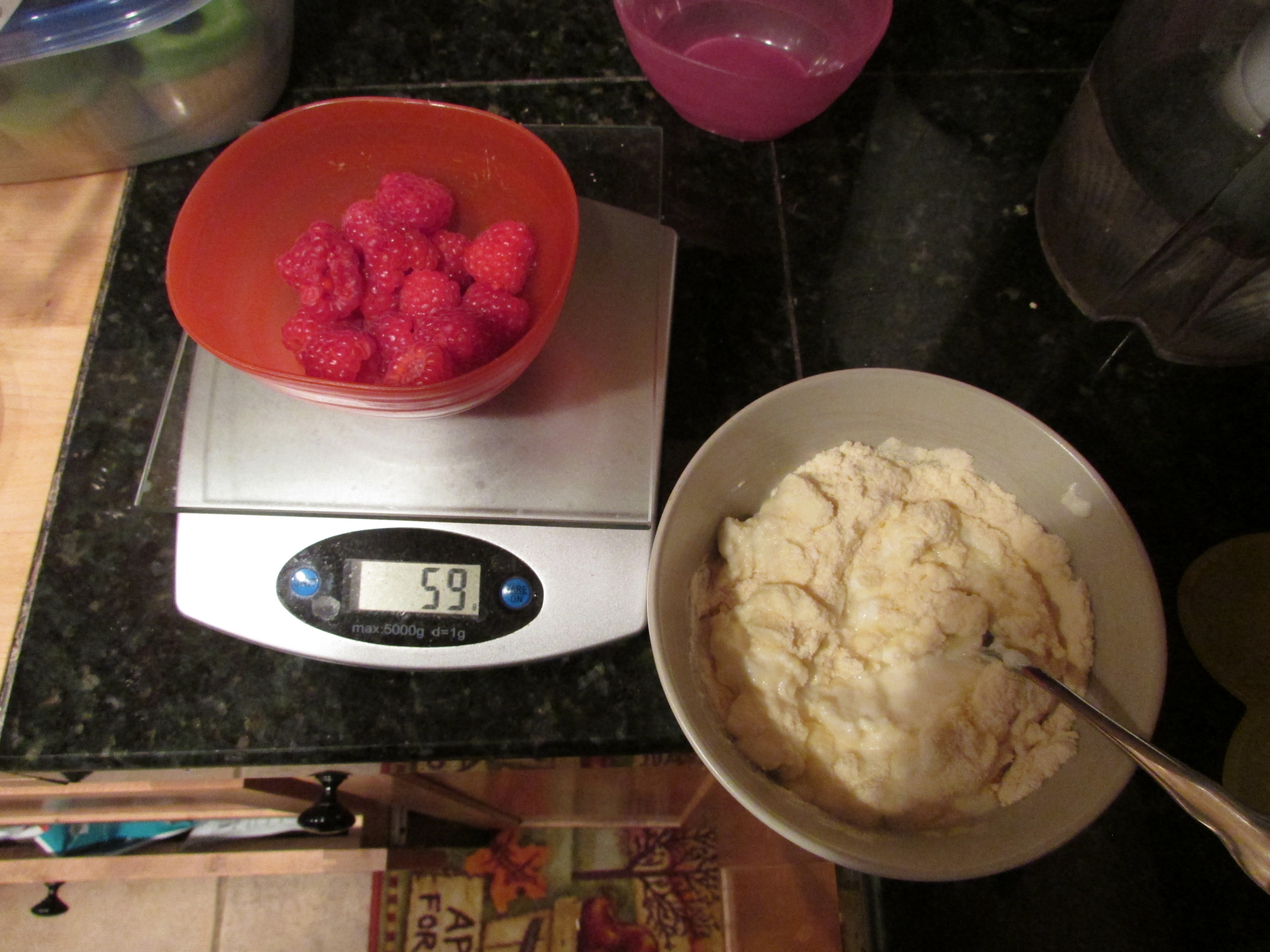
    I needed 188 grams of non-fat plain yogurt, 23 grams of vanilla protein powder, and 59 grams of fresh raspberries. I calculated the raspberries in my head. 123 grams is a lot of raspberries, at 52 calories. Half would be 61.5 grams and 26 calories. I think 59 grams for 25 calories is about right for the size of my bowl.

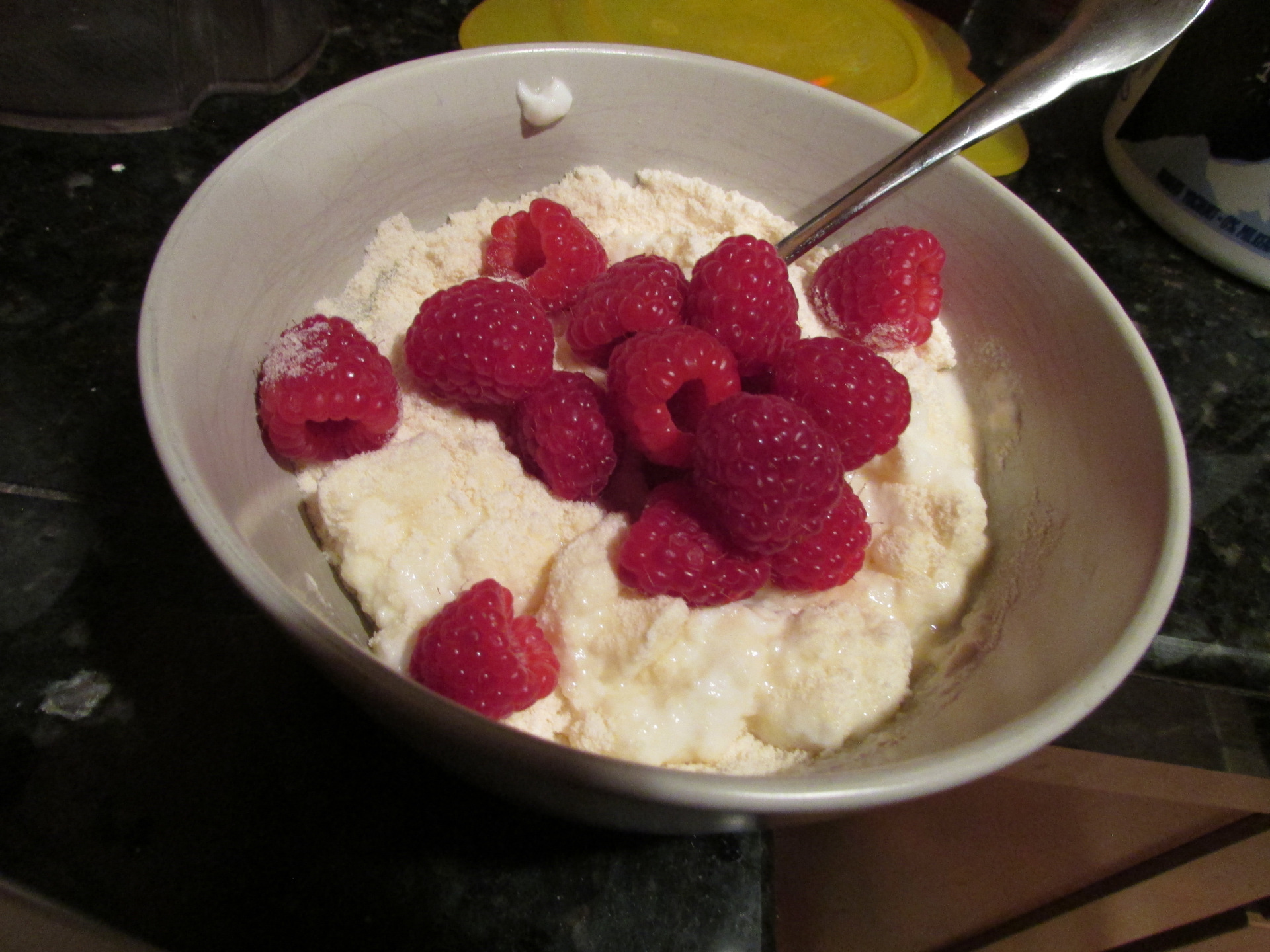
    I put the yogurt into the bowl, and stirred in the protein. The fresh raspberries are a little on the delicate side so I didn’t want to be stirring vigorously once I added them. It’s really that simple to make a really healthy high protein low calorie alternative to the pre-packaged yogurts that have 1/3 the protein or less and lots of added sugars, some hidden quite well on the labels.

    Protein Yogurt with fresh raspberries. Eat it up!
    Protein Yogurt with fresh raspberries. Eat it up!

    Try your hand at making your own favorite flavors and post pics and recipes on my Facebook page to share with my followers there. We’d love to see what you have.

  • Green and Healthy Living Tip

    People often ask me about healthy eating, and I mention several different options. Sometimes people balk about the expense, or time, or inconvenience. It’s hard to find a way to explain to them that it’s actually way less expensive, way more convenient, and way more green than their normal eating patterns.

    Last time I was driving home from skating at the rink and encountered the usual Provo/Orem lunch rush traffic, it hit me. like a brick in the face. These people were all sitting in traffic, spending their lunch hours idling at stop lights, heading to some fast food destination, to grab lunch, and hurry back to their office, most likely eating at the stoplights on the return trip.

    healthy and green lunch choice
    Tomato soup, hard boiled eggs and banana - a green healthy lunch

    Wow. Talk about stress. Talk about wasted time. wasted resources. wasted health. How long would it take to toss a few boiled eggs in a bag with a bagel and cheese, a handful of sprouts and some carrot sticks? Really? compared to sitting at 6 stop lights on the way to the grease pit? If you add up all the hours spent in one week in the mad dash to grab a burger or taco, add up all the stomach acid from the stress of it all, and the antacids you’re more likely to take later as a result, and the gas and wear and tear on your vehicle, and the carbon footprint of all that idling, you’re so far in debt, you may never escape and become free.

    On the other hand, you can boil up eggs before the week, make a pot of chili and containerate it ahead, bag up some carrot slices. Even if it took a whole hour, that’s less time than the 5x/week fast food driving. You might have to toss some containers in the dishwasher, or rinse out some bags to reuse – but that’s less stress on the environment than the car creates, and only a few seconds of your time each day.

    So do it. Do it now. Baby steps. Take food you like maybe one or two days a week. I think rather quickly you’ll find yourself enjoying the relaxed atmosphere, the extra time to play, read a book, or talk to your coworkers. Eventually you can become free, do your health a big favor, save money and time, and do something good for the environment. Think what would happen if everyone did it 😀

    I prefer to sneak up on healthy eating whenever possible. This is one of the best ways I know.